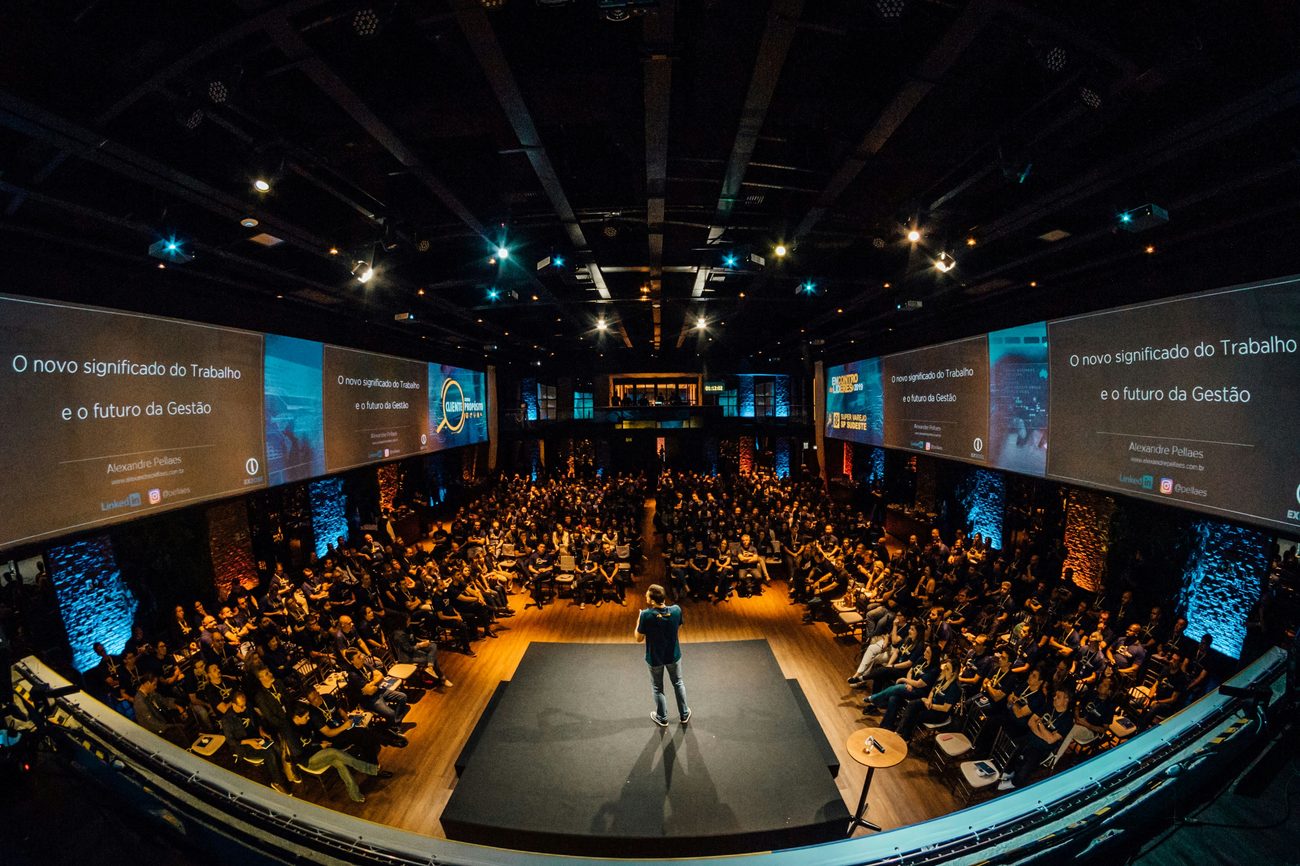
LodgEvent lists 80 events in Canada, across 10 cities, including Edmonton Comics & Entertainment 2026, Franchise Show Toronto Fall 2026 and IPCE 2026. Upcoming dates run from 18 September 2026 to 15 June 2028. Browse dates, venues and nearby hotels for each event below.
Canada Trade Fairs — Which City, and What to Know Before You Go
Canada is an easier market to attend a trade fair in than its size suggests. Events concentrate in a handful of cities, the main venues sit downtown rather than on the outskirts, and entry for most business visitors is a short online formality rather than a visa application.
These 80 events are spread over 24 venues, and the strongest sectors are Business Services & Professional, Home & Interior and Real Estate, Construction & Urban.
For companies selling into North America, Canada offers something the United States does not: the same market conventions and standards with substantially less competition for stand space, lower costs, and — for many nationalities — a simpler entry process.
The cities at a glance
| City | Main venue | Position | Winter |
|---|
| Toronto | Three venues, spread out | Two downtown, one at the airport | Cold, snow |
| Calgary | BMO Centre, 1M+ sq ft | Walking distance to downtown | Coldest, but chinooks |
| Vancouver | Convention Centre, waterfront | Downtown, harbourside | Mild — rain, not snow |
| Montreal | Palais des congrès | Downtown, Underground City | Severe, but indoors |
| Edmonton | Edmonton Convention Centre | Downtown river valley | Severe |
| Ottawa | Shaw Centre | Downtown, by the canal | Cold, snow |
The three main cities
Toronto is the largest trade fair city and the most complicated. It has three major venues — Enercare Centre on the lakefront, the Metro Toronto Convention Centre downtown, and the Toronto Congress Centre out by Pearson airport. They are not interchangeable, and booking a hotel for the wrong one costs you a daily cross-city commute. Establish which venue your event uses before anything else.
Calgary is the one that changed recently. The BMO Centre completed a $500 million expansion in June 2024, taking it past a million square feet and making it the largest convention centre in Western Canada. Over 500 conventions were booked into the new space, around 150 of them events that had never come to Calgary before. It is the natural home of Canada's energy sector, and the venue is walkable from downtown — a simpler arrangement than Toronto offers.
Vancouver is Canada's Pacific gateway, with the country's best direct connections to Asia and by some distance the most attractive venue setting — the Convention Centre sits on the downtown waterfront with mountains behind it. It also has the mildest winter, which matters more than it sounds for events between November and March.
The others
Montreal's Palais des congrès punches well above its listing count. The city has been ranked the number one host city in the Americas for international association events for eight consecutive years — if your sector runs a global congress rather than a commercial trade show, there is a fair chance it comes here.
Two things make Montreal unusually easy for delegates. Over 16,000 hotel rooms sit within a ten-minute walk of the venue, around 4,000 of them connected directly through the Underground City — a network of subterranean passages that in January is a practical necessity rather than a curiosity. The Palais also offers on-site customs clearance for materials at events recognised by the Canada Border Services Agency, which removes a genuine headache for exhibitors shipping equipment internationally.
Edmonton is Alberta's other centre, with a calendar leaning towards industrial and agricultural sectors. It is about three hours' drive north of Calgary or a short flight, and shares Alberta's tax advantage.
Ottawa is the federal capital, and its events skew towards government, defence and policy — a different audience from the commercial shows elsewhere. If your business involves federal procurement, this is where those conversations happen.
Halifax on the Atlantic coast hosts a smaller calendar, with maritime and ocean-technology sectors well represented given its port.
Getting in — simpler than most countries
| eTA | Visitor visa (TRV) |
|---|
| Who needs it | Visa-exempt nationalities arriving by air | All other nationalities |
| How | Online, minutes to complete | Application with supporting documents |
| Timing | Usually approved quickly, but not guaranteed | Weeks — apply early |
| Note | Linked to your passport; a new passport means a new eTA | An invitation from the organiser helps |
The eTA (Electronic Travel Authorization) is Canada's equivalent of the US ESTA. Apply before you book flights rather than after — approval is usually immediate but occasionally isn't.
If you are exhibiting, look into the ATA Carnet for temporarily importing display materials and samples. It saves both duties and time at the border, and is well established for trade show goods across all Canadian ports of entry.
Winter is a real planning factor — except in one city
This is what visitors from milder climates most underestimate.
From roughly November to March, Toronto, Calgary, Montreal, Edmonton and Ottawa are properly cold — temperatures well below freezing are routine, and snowstorms cause flight delays and cancellations. Walking between a hotel and a venue is genuinely unpleasant without proper clothing.
Canadian cities have engineered around this, and it is worth using: Montreal's Underground City, Toronto's PATH (a 30 km downtown pedestrian network), and Calgary's +15 Skywalk (elevated enclosed walkways). If your event is downtown in winter, a hotel connected to one of these is worth paying for.
Vancouver is the exception. It gets rain rather than snow, temperatures rarely drop far below freezing, and winter events there involve no flight cancellations from storms. Different preparation, though — waterproof shoes matter more than a heavy coat.
If you are travelling in winter to anywhere but Vancouver, allow a buffer day around your flights.
Costs vary more than you would expect
| City | Sales tax at the till | Hotel costs |
|---|
| Calgary / Edmonton (Alberta) | 5% — GST only | Reasonable |
| Vancouver (BC) | ~12% | Highest in Canada |
| Toronto / Ottawa (Ontario) | 13% | High |
| Montreal (Quebec) | ~15% | Moderate |
Alberta has no provincial sales tax, which makes Calgary and Edmonton noticeably cheaper for purchases. If you are buying equipment or gifts during the trip, this is a real difference — and sales tax is always added at the till rather than shown on the price tag, which catches out European visitors used to inclusive pricing.
Practical notes
Currency is the Canadian dollar (CAD), not the US dollar — and US dollars are generally not accepted despite the border. Cards work everywhere and contactless is universal.
Tipping is expected at 15–20% in restaurants, and payment terminals will prompt you. Not optional in practice.
Language: English throughout, with French official alongside it in Quebec. In Montreal, signage and everyday interactions default to French, though international events run in English.
Distances are larger than they look. Toronto to Calgary is over four hours by air; Vancouver is further still and three time zones from Toronto. Combining events in two Canadian cities is a real trip, not a day out — this is a country the width of a continent, and passenger rail is a scenic journey rather than transport.
Based on what's currently listed, activity here concentrates in September, October and November.
Next up across Canada: Edmonton Comics & Entertainment 2026 on 18 September 2026.